
Introduction
Drowsy driving report: – Why working with a child sleep consultant might mean you
avoid prosecution in the future!
It’s that time of year when there are numerous campaigns in the media about driving under the influence of alcohol but did you know that:
-Driving tired may be as dangerous as driving under the influence of alcohol!
-10-20% of all crashes are estimated to be caused by driver fatigue according to Brake the Road Safety Charity.
-Police statistics also show that fatigue contributes to about 4% of fatal road crashes.
-Nearly 50% of the UK population doesn’t get enough sleep.
It has never been more important to address sleep to avoid drowsy driving.
As parents you would never dream of getting behind the wheel when you have been drinking especially with your children in the car but day in and day out families are putting themselves at risk by driving drowsy.

Dealing with sleep deprivation in your family may now be more important than ever
Are we in a sleep epidemic?
We are in a public health epidemic when it comes to sleep. Nearly 50% of the UK’s population don’t get enough sleep with most people averaging only 6 hours a night which is two hours less than the NHS recommended eight hours a night to maintain a healthy, rested, and alert state. New parents are averaging less than 5 hours per night. A number that Australian scientists have stated is equivalent to driving under the influence of alcohol.
I will often meet families who are surviving on much less sleep than this or severely broken sleep. I have worked with families that say they are woken every 45 mins by their children, and this isn’t just exclusive to newborn babies either.
Getting enough sleep is one of the most important things we can do for our overall health. Not only does it improve people’s mental health but their physical health too as well as their quality of life. You might be convinced that you can train yourself over time to survive on less sleep, but this is not possible.
Sleep scientist Matt Walker has even carried out a groundbreaking study into whether we can catch up on lost sleep by getting more sleep over the weekend. Unfortunately, this is also not the solution. His study found only 25% of sleep debt can be recovered and so prioritising good sleep across the entire week is the key.

Drowsy driving or driving tired are said to be the cause of 10-20% of road traffic accidents
New research has led to a potential way to prosecute those driving tired.
The Australian government’s Office of Road Safety have been funding research into fatigue and road traffic accidents after fresh evidence that driving on less than five hours’ sleep is as dangerous as being over the legal drink-drive limit in many countries. Their research first reported by the Guardian Newspaper has helped to develop a blood test which can measure whether a driver who has caused an accident was impaired by lack of sleep. This new test could be available within two years, making it easier to legislate against drowsy drivers or their employers.
This blood test could come to the UK so getting children to sleep through the night should be high on the agenda of many parents, not only for their own well-being but this blood test could enable people to be prosecuted for driving while fatigued.
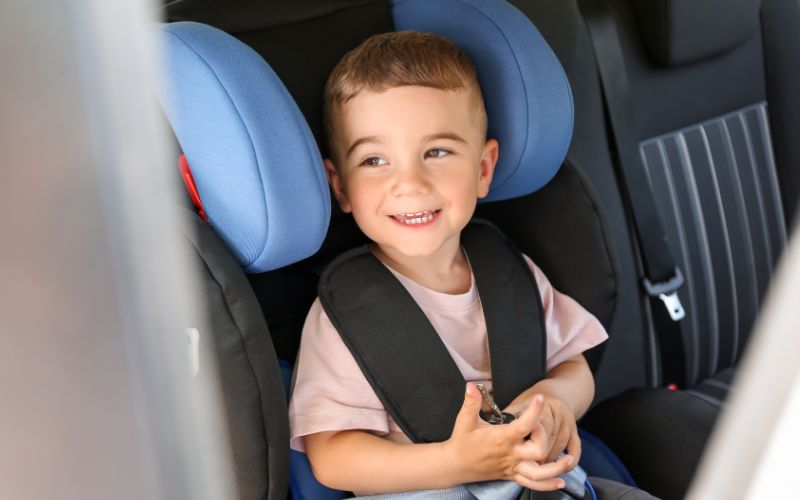
Getting adequate sleep each night is the key and will reduce your risk of a road traffic accident
My top six tips for getting the best sleep for your family over Christmas
Christmas can be an especially tiring period with lots of travel and excited children waking up in the night more than usual. To help parents get more sleep for all the family I have put together six top tips on getting children to bed on time and sleep well at Christmas and every night to ensure parents aren’t driving dangerously due to fatigue.
Here are my top six tips for helping children and therefore you get a good night’s sleep every night –
especially over the Christmas period:
- Stick to the same bedtime every night! Whether you are staying at home or visiting family Naomi’s top tip is to try and keep bedtime the same wherever you are. A consistent bedtime routine can make a huge difference. Timing is also key here so if bedtime is usually 7pm try to keep bedtime as 7pm. Regularity is one of the easiest ways to help your child settle to sleep.
- Consistency – The same things repeated in the same order is key, for example: Bath (or top to toe wash), into pyjamas, book or nursery rhymes, milk feed and then into bed. The bedtime routine signals to your little one that it is almost time to go to sleep. If you are staying away from home, try to replicate this routine as much as possible. Bring your bubble bath from home, the books you read, even their bedsheets if possible so their new bed smells like home. If you have a toddler using a toddler clock, bring that along with you too.
- Try not to let your little ones get too overtired. An overtired child will struggle to settle to sleep, wake in the night (even if they were sleeping through) and wake earlier than their well-rested peers. Even on Christmas Eve try to keep to an early bedtime as they may take longer to fall asleep and wake up early in the morning with the excitement of the day.
- Don’t skip naps – Getting enough sleep in the day and balancing it through the day is key. Those naps can be taken in the car, in a sling or the pram so don’t feel that you can’t go out and enjoy yourselves. But fear not, if you have had a busy day and naps haven’t necessarily gone to plan you can put your little one to bed early! Up to an hour early is ok. Just be careful not to do this too often as it can pull bedtime forward permanently which means that their whole schedule is off.
- White noise – Don’t overlook the importance of a good sleep environment. If you have friends over or are staying over somewhere to socialise it may be noisier than usual. If so, a white noise machine or app can be really helpful. Equally keep the room your little one is staying in nice and dark. If the room is too light it can suppress their melatonin (the sleepy hormone) and make falling asleep more difficult.
- Temperature – If staying away from home the room may also have a different temperature so, bring a variety of options for bedtime so you can dress them appropriately. A cooler room is better for helping a little one sleep as our bodies must drop their core temperature by 2-3 degrees to induce sleep so don’t feel you need to make the room too warm. Somewhere between 16-20 degrees is about right.

Getting enough sleep is one of the best things you can do for your overall health.
What you can do to change things
I really feel for parents who aren’t getting the sleep they need but I know there is an answer, and I can help them. Modern sleep training is responsive, and I will always look to meet your child’s needs.
Teaching your child to self-settle not only means your child will sleep through the night but you will get all the restorative sleep you need too. I don’t offer a cry it out method. My approach still allows the parent and child to have a good attachment, and everyone will get the restorative sleep they need to thrive and not get into trouble driving whilst tired this Christmas.
If you are looking to improve sleep in your house then book a call with me to see how I can support your family to better sleep. I will be there to support and guide you in any way you need whether that be emotional support or encouragement. Working with a sleep consultant 1:1 is the best way to get to your sleep goals.

Modern sleep training isn’t leaving your baby to cry it out
Conclusion
There could finally be a way to prosecute people who have caused a crash through drowsy driving or driving whilst under the suggested threshold of 5hrs sleep. The development of this blood test could change the way we look at sleep training in the future and I am ready to support any family ready to make a change.
Naomi. X

If you found this blog about drowsy driving helpful please share it with your friends.